Carlo Wolf · 22 September 2026
Fenlow's Community Garden Project Sparks Urban Farming Experiments Among Local Families and Schools
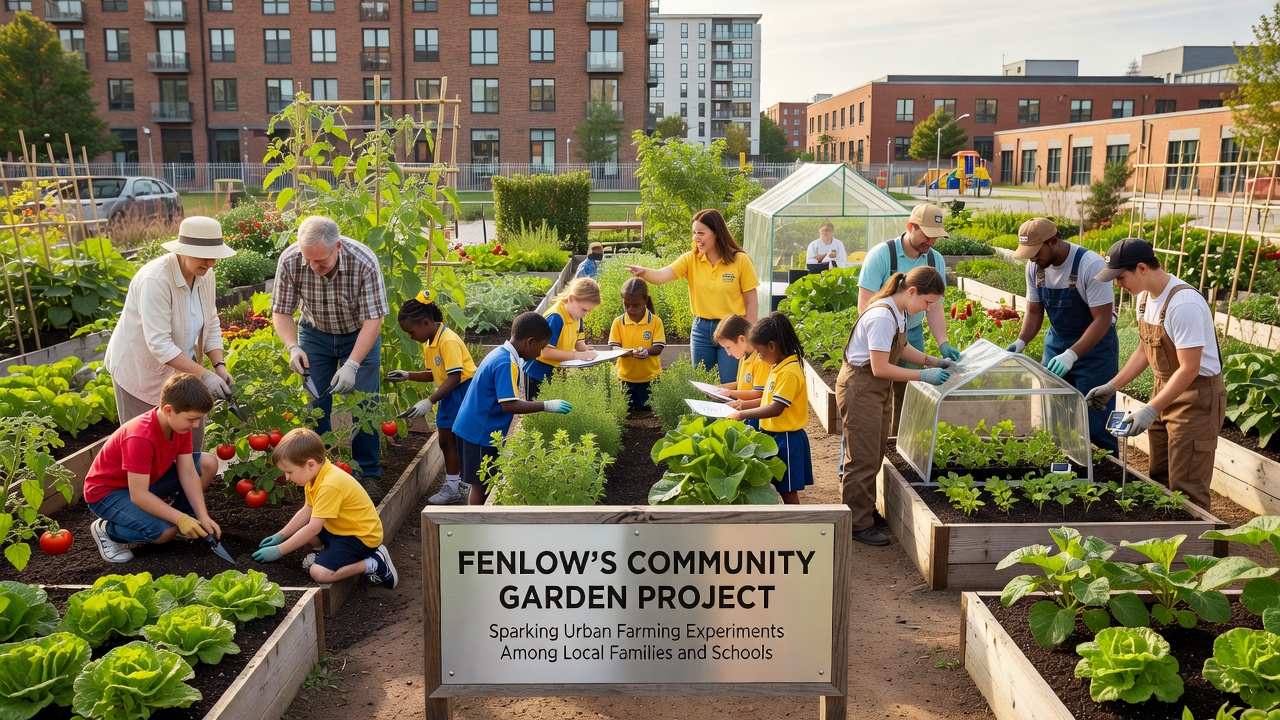
Fenlow's community garden project began as a modest initiative on a vacant lot near the town center and has since expanded into a network of urban farming experiments that involve local families and several schools, with participation records showing steady growth through 2025 and into September 2026. The project converted underused municipal land into shared growing spaces where residents plant vegetables, herbs, and small fruit crops using methods that range from traditional raised beds to soil-free systems. According to local agricultural extension reports, the initial plots covered roughly two acres when work started in spring 2024, yet by mid-2026 the total cultivated area had increased to nearly five acres across three sites because families and school groups requested additional space for trial plantings.
Project Origins and Early Development
City records indicate that planners selected the first site after reviewing soil tests and water access data, while volunteers cleared debris and installed fencing during weekend work sessions that drew dozens of participants each time. The setup included shared tool sheds, compost bins, and irrigation lines funded through a combination of municipal grants and private donations tracked in public budget documents. Those who studied similar projects elsewhere note that Fenlow's approach incorporated lessons from established urban agriculture programs, which often emphasize community governance and crop rotation schedules to maintain soil health over multiple seasons.
Family Participation and Home-Based Experiments
Local families joined the project through a registration system that assigns plots on a first-come basis, and many households have extended their involvement by setting up smaller growing systems at home. Data from neighborhood surveys compiled in 2025 shows that over 120 families signed up for garden plots, with roughly half reporting they also maintain container gardens or window-box setups using techniques learned at the main site. These experiments frequently include vertical towers for leafy greens and small hydroponic kits that allow year-round production regardless of outdoor weather. Research from agricultural extension services indicates that such home adaptations can increase household vegetable intake by measurable amounts when participants track harvests consistently, and Fenlow families have begun sharing yield logs at monthly meetings to compare results across different setups.
School Integration and Educational Programs
Three local schools incorporated the garden project into their curricula starting in the 2024-2025 academic year, with students visiting the plots for science lessons on plant biology, nutrient cycles, and sustainable pest management. Teachers coordinate with project coordinators to align activities with state education standards, and enrollment figures from the school district show that more than 300 students participated in at least one hands-on session during the first full year. Some classes have launched their own experiments with companion planting and rainwater collection systems, while others focus on composting food waste from cafeteria operations. A study conducted by researchers at the University of California, Davis found that school garden programs of this type correlate with improved student understanding of food systems when measured through pre- and post-participation assessments.
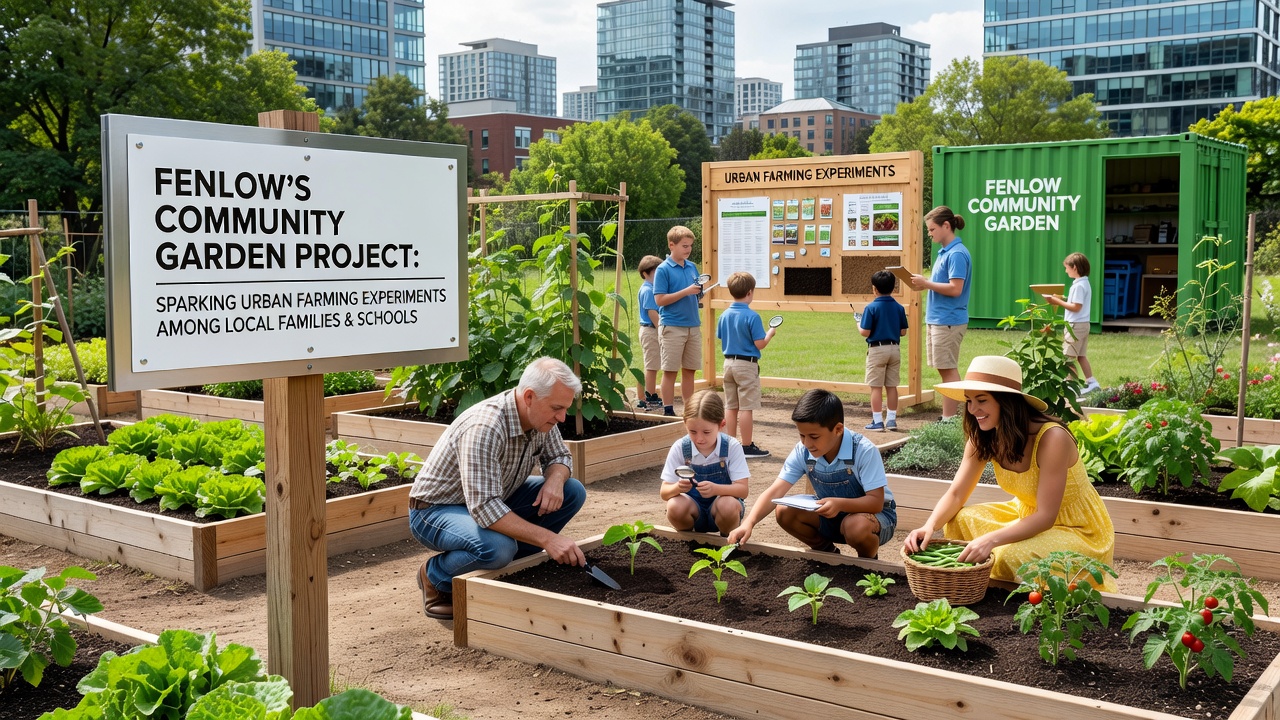
By September 2026 the schools had expanded their involvement to include after-school clubs that meet twice weekly at the garden sites, and district reports note that these clubs now maintain dedicated sections for native pollinator plants alongside food crops. The integration has also prompted some families to replicate classroom experiments at home, creating a feedback loop where techniques tested in one setting migrate to the other. Observers have documented cases in which students introduced their parents to specific varieties or growing methods, leading to additional plot requests from households that previously had no connection to the project.
Urban Farming Techniques and Data Collection
Participants have tested several growing methods side by side to compare efficiency and yield, including traditional in-ground beds, raised wooden boxes, and modular hydroponic units supplied through partnerships with local suppliers. Yield tracking sheets maintained by volunteer coordinators show that leafy greens and root vegetables perform consistently well across methods, whereas fruiting crops such as tomatoes require more attention to nutrient balance in soil-free systems. A report issued by Agriculture and Agri-Food Canada in 2025 highlighted similar multi-method trials in other communities and noted that data collection remains essential for identifying which approaches suit particular climates and participant skill levels. Fenlow organizers adopted comparable record-keeping practices, and the resulting spreadsheets have become resources for new participants who want to avoid early mistakes.
Broader Community Effects and Ongoing Expansion
The garden project has coincided with increased interest in local food production, as evidenced by rising attendance at related workshops on seed saving and food preservation held at the town library. Public health department statistics indicate that community garden participation often aligns with higher reported fruit and vegetable consumption among active members, though researchers caution that multiple factors influence dietary patterns. In Fenlow the project has also prompted discussions about zoning adjustments that could allow more small-scale urban agriculture on private lots, with planning commission minutes from early 2026 recording preliminary reviews of such proposals. Expansion plans for the coming year include a fourth site near the eastern residential area, pending final soil remediation results.
Conclusion
Fenlow's community garden continues to evolve as families and schools adapt urban farming techniques to their own circumstances, with records showing sustained enrollment and expanding cultivated area through September 2026. The project supplies concrete data on participation numbers, crop yields, and educational outcomes that other communities can reference when designing similar efforts. Ongoing documentation by local coordinators and external researchers provides a growing body of information about how shared garden spaces support both food production and hands-on learning across age groups.