Ellis Wagner · 6 October 2026
Restoration of landmark crossing coincides with expanded law enforcement outreach to build neighborhood connections
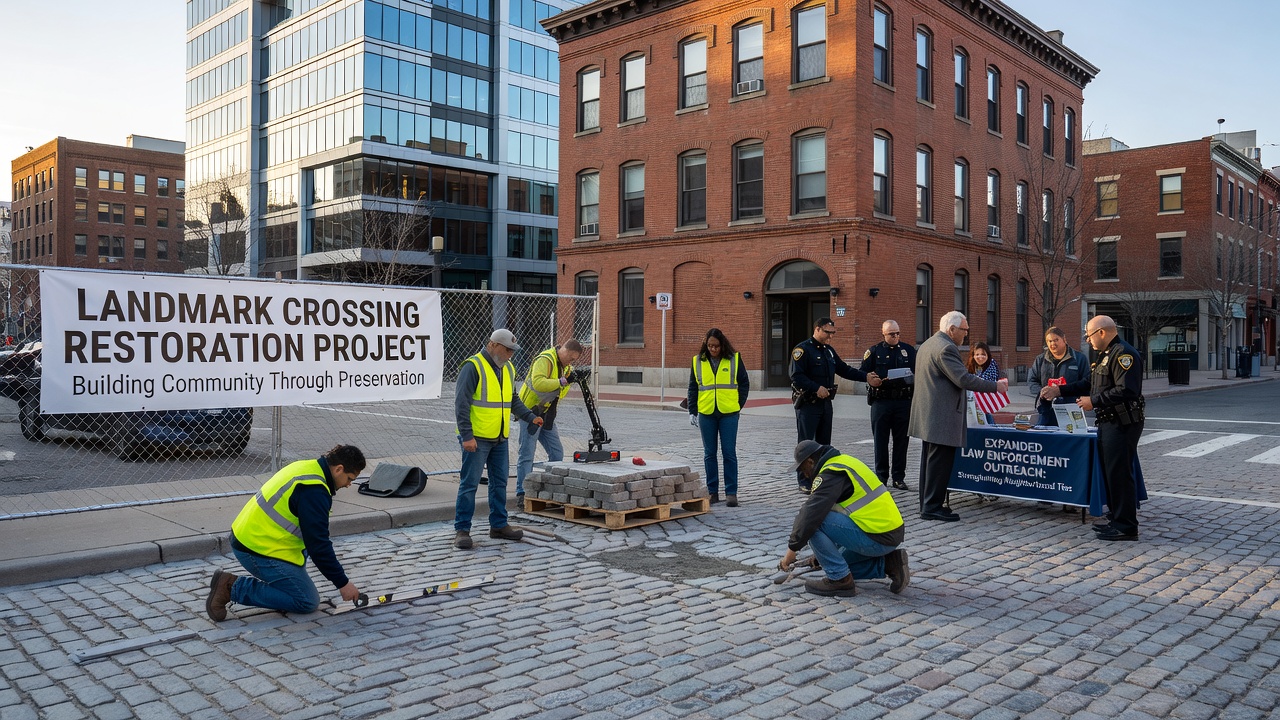
Restoration efforts at the historic Oakridge Crossing in the city of Eldridge began in early 2025, and officials scheduled the final phases to wrap up during October 2026 while the local police department rolled out new community engagement programs at the same time. City records show the crossing dates back to 1892 and serves as a central point for pedestrian traffic between the downtown business district and residential neighborhoods to the east. Crews have replaced worn granite pavers, updated drainage systems, and installed LED lighting that meets current accessibility standards set by federal transportation guidelines.
Project Timeline and Scope
Engineers from the Eldridge Public Works Department coordinated with preservation specialists to maintain the original layout while meeting modern safety requirements, and data from the department indicates the project covers approximately 1,200 square feet of roadway surface. Funding came from a combination of municipal bonds and a grant through the National Park Service's historic preservation program, which supports similar infrastructure work across multiple states. Observers note that construction phases avoided peak commuter hours to limit disruptions, and temporary walkways kept foot traffic moving throughout the multi-year effort.
Law Enforcement Outreach Expansion
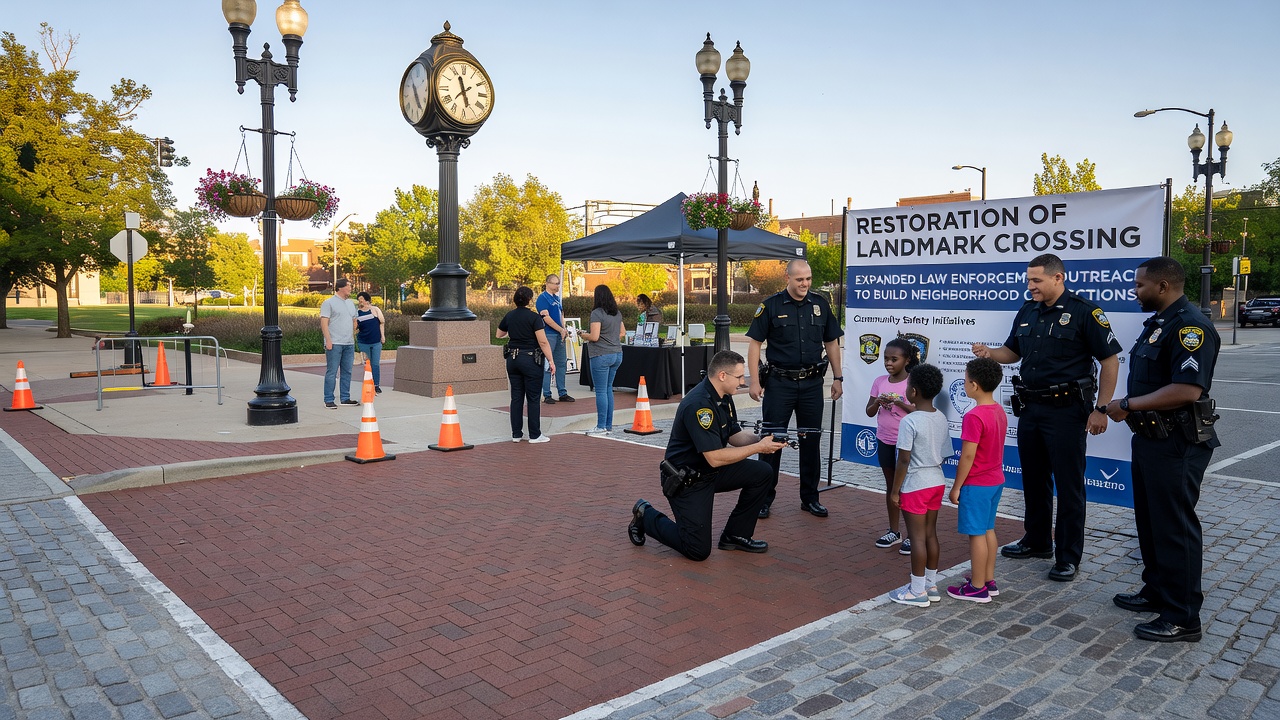
The Eldridge Police Department launched its expanded neighborhood connection initiative in tandem with the restoration schedule, assigning additional officers to foot patrols and hosting monthly public meetings at nearby community centers. Department reports list activities that include youth mentorship sessions, safety workshops for seniors, and joint clean-up events with local residents, all designed to increase direct contact between officers and the surrounding blocks. Statistics released by the department show a 15 percent rise in voluntary participation at these events compared with the previous year, and program coordinators track attendance through simple sign-in sheets at each gathering.
Those coordinating the outreach drew from established community policing models documented by the U.S. Department of Justice COPS Office, which provides resources on building trust through consistent local presence rather than reactive enforcement alone. Officers began door-to-door introductions in the blocks adjacent to the crossing during the summer of 2025, and they continued the visits through the fall construction season to gather resident input on traffic patterns and safety concerns. The department maintains an online portal where residents can submit suggestions, and staff review submissions weekly before incorporating feasible ideas into patrol routes.
Community Involvement and Data Collection
Local business owners along the corridor formed a small working group that meets quarterly with both city engineers and police representatives, and meeting minutes record discussions about lighting levels, signage placement, and event scheduling around the crossing. The group compiled a simple survey distributed to nearby households in September 2025, and results indicated strong support for improved pedestrian visibility combined with regular officer presence during evening hours. City analysts compiled the responses into a public dashboard that updates monthly, allowing anyone to view aggregate trends without individual identifiers.
Researchers at the nearby state university contributed an independent review of foot traffic counts before and during construction, using automated sensors placed at three points around the intersection. Their preliminary findings, posted on the university's public research portal, show steady pedestrian volumes despite temporary detours, with numbers rebounding quickly after each completed section reopened. The study also logged vehicle speeds through the area and noted a modest decrease following installation of the new raised crosswalks and refreshed pavement markings.
Broader Context and Related Efforts
Similar restoration and outreach pairings have appeared in other municipalities over the past decade, according to case summaries compiled by the Police Foundation, an organization that studies effective local policing practices across North America. Eldridge officials reviewed those examples during the planning stage and adapted elements such as joint public forums and shared data reporting. The crossing project itself sits within a larger city plan that calls for phased upgrades to several other historic intersections through 2028, with each phase budgeted separately through the capital improvement process.
Residents who live within two blocks of the site received mailed updates at the start of each construction stage, and the police outreach team followed up with in-person visits to answer questions about both the physical work and the new patrol assignments. Attendance logs from the first round of neighborhood meetings show consistent turnout from a mix of longtime homeowners and newer apartment residents, and organizers rotate meeting locations to accommodate different parts of the area.
Conclusion
By October 2026 the restored crossing is scheduled to reopen fully while the expanded law enforcement programs continue on their established schedule, creating an overlap that city documents describe as an opportunity for sustained neighborhood engagement. Records from both the public works and police departments remain available through the city's standard records request process, and updates on remaining construction milestones appear on the municipal website each quarter. The combined timeline reflects coordinated planning between infrastructure and public safety teams rather than separate initiatives running in parallel.