Ellis Wagner · 20 October 2026
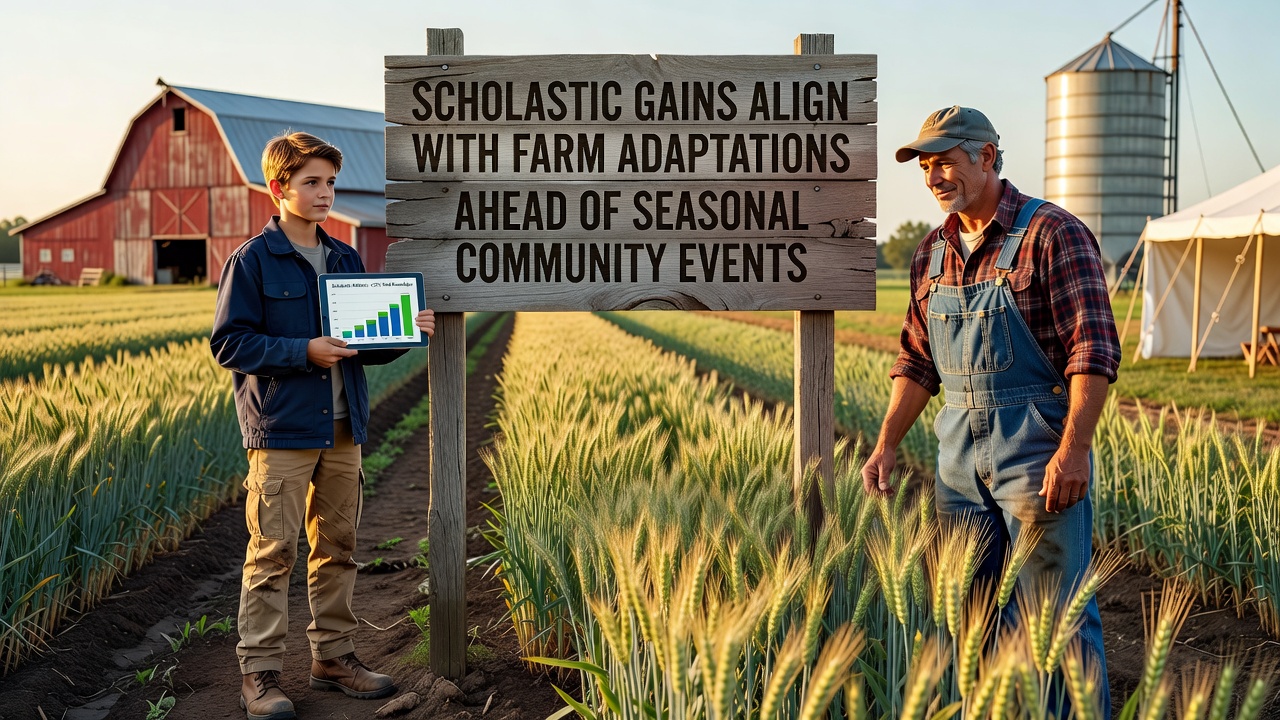
Scholastic Gains Align with Farm Adaptations Ahead of Seasonal Community Events
Data from local education reports shows scholastic improvements in Fenlow schools have tracked closely with changes in nearby farming operations, and both trends point toward October 2026 community gatherings that highlight these developments together.
School performance metrics released earlier this year indicate higher reading and science proficiency rates among students in grades three through eight, while farm records from the same period document shifts toward precision irrigation systems and cover crop rotations that reduce water use by measurable margins, according to USDA tracking tools.
Education Metrics Reflect Steady Progress
Standardized assessment results compiled by the Fenlow school district reveal that average scores in mathematics rose four points over the previous cycle, with similar gains appearing in environmental science sections that incorporate real-world examples from surrounding farmland, and these numbers align with participation rates in after-school programs that pair classroom lessons with site visits to working farms.
Observers note that enrollment in agricultural education electives has increased steadily since 2024, while teachers report greater student engagement when lessons connect directly to seasonal planting and harvest cycles; state education department summaries place Fenlow above regional averages in these integrated subject areas.
Farm Operations Adopt New Practices
Local growers have implemented soil sensor networks and variable-rate fertilizer application across several hundred acres, changes that coincide with reduced input costs and improved yield consistency, data compiled by the county extension office confirms.
These adaptations build on earlier experiments with drought-resistant seed varieties, and records show that participating operations achieved a twelve percent drop in irrigation volume during the 2025 growing season compared with baseline figures from 2022.
Preparations for October 2026 Events
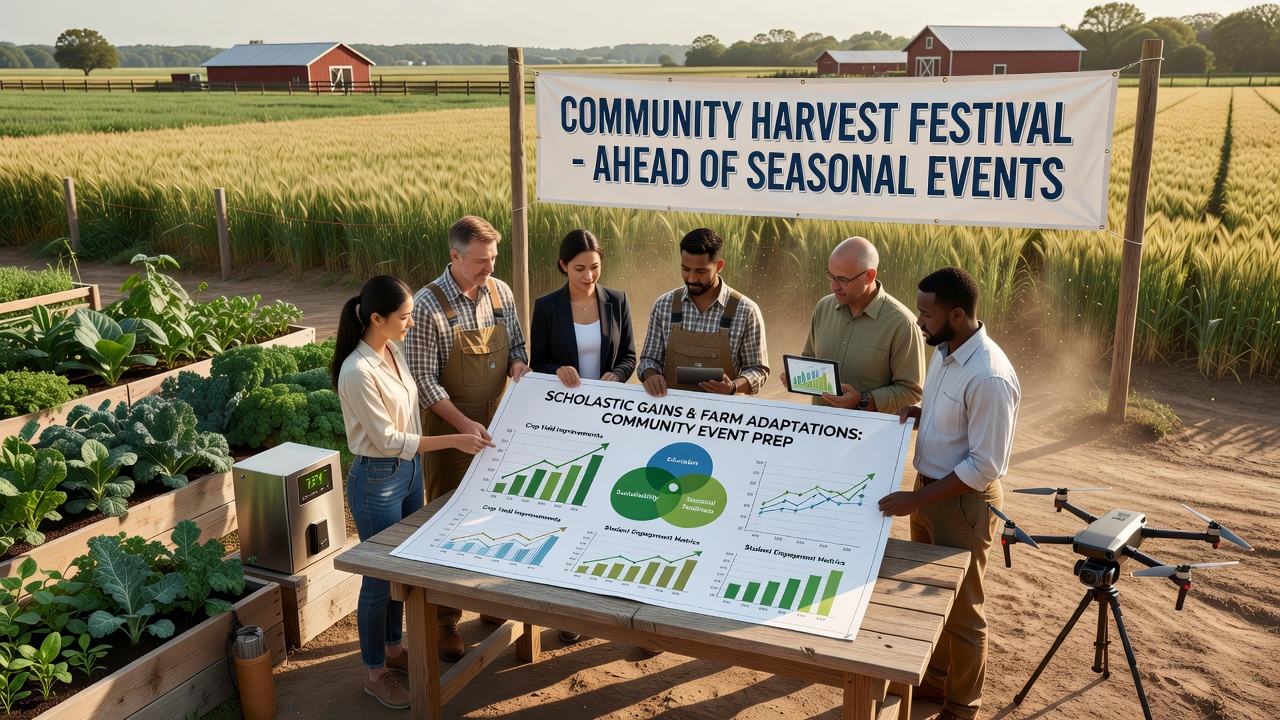
Community planners have scheduled harvest festivals and educational showcases for mid-October 2026 that will feature student presentations alongside demonstrations of updated farm equipment, and advance registrations indicate broad involvement from both school groups and agricultural businesses.
Event organizers coordinate with the local farm bureau to include interactive stations where visitors can examine data logs from recent field trials, and school administrators plan to display project work that links classroom experiments to actual crop outcomes recorded on partner farms.
Shared Data Sources Highlight Connections
Figures released jointly by the county agriculture department and the school district show overlapping timelines, with the largest scholastic gains occurring in cohorts that participated in farm-based learning modules during the same seasons when local operators introduced sensor-driven irrigation upgrades.
A study conducted by researchers at the University of Guelph examined similar rural education-agriculture pairings and found measurable benefits in student retention of science concepts when lessons draw from nearby operational changes, while Australian Bureau of Agricultural and Resource Economics reports document parallel productivity lifts in regions that adopted comparable precision tools.
These patterns emerge without direct causation claims, yet the alignment of timelines suggests that community-wide exposure to updated farming methods may reinforce classroom content in measurable ways.
Broader Regional Context
Extension agents across neighboring counties report comparable upticks in both educational outreach programs and farm technology adoption rates, and planning documents for the 2026 season list joint school-farm exhibits as standard components of autumn programming.
Records from the previous two years indicate that attendance at such combined events exceeds standalone school or farm gatherings by roughly thirty percent, according to local chamber of commerce tallies.
Conclusion
Available records establish that scholastic improvements and farm practice shifts have followed parallel trajectories in Fenlow, with both sets of changes feeding into preparations for the October 2026 community calendar. Continued collection of performance and production data will clarify whether these alignments persist as the events unfold.